← Back to library
Last updated March 5, 2026
LatsLower BackTeres MajorTrapezius
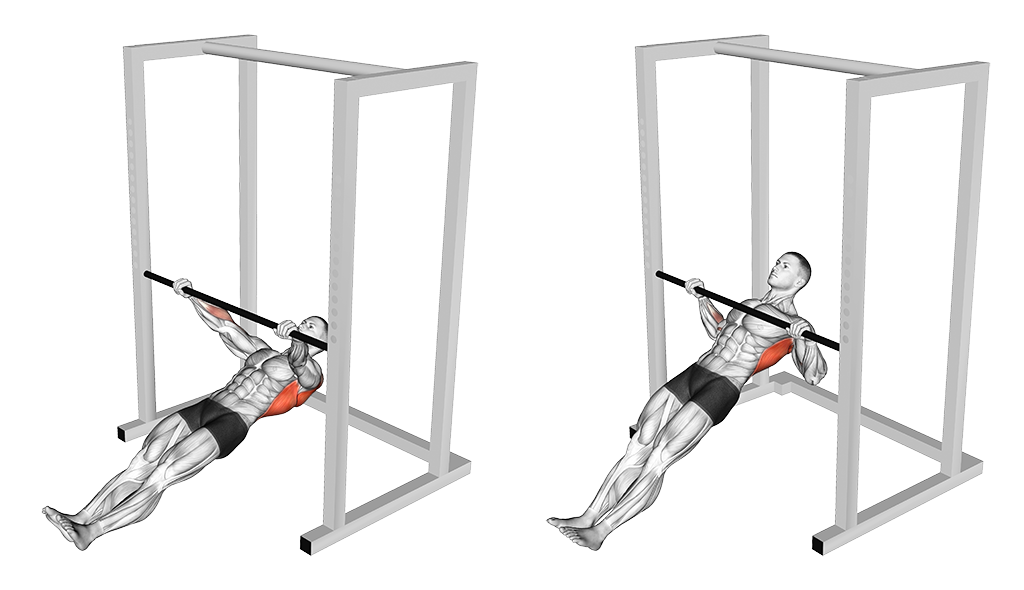
Inverted Row - Wide
Same as above but with a wide grip. This makes it harder and targets the upper back/rear delts more.
Quick facts
- Level
- Intermediate
- Mechanic
- Compound
- Force
- Pull
- Type
- Strength
- Injury Risk
- Low
- Hypertrophy
- Medium
- Calorie Burn
- Medium
Muscle focus
Primary and secondary muscle groups targeted by this movement.
Primary
Rear Shoulders
Secondary
Upper Back / Rhomboids
Equipment & setup
What you need and how to position yourself before starting.
Equipment
Body WeightBarbell
Movement pattern
Bilateral
Posture
Hanging
Tracking parameters
repsweight
Step-by-step instructions
Follow these cues to master proper technique and stay safe through every rep.
- Step 1Setup
- Find a sturdy bar or suspension trainer that is set at waist height.
- Lie underneath the bar with your body straight and your feet flat on the ground.
- Step 2Grab the Bar
- Reach up and grab the bar with a wide overhand grip, hands positioned wider than shoulder-width.
- Your arms should be fully extended, and your body should form a straight line from head to heels.
- Step 3Position Your Body
- Engage your core and squeeze your glutes to maintain a straight body line.
- Keep your shoulder blades retracted and your chest up as you prepare to pull.
- Step 4Pull Your Body Up
- Pull your chest towards the bar by bending your elbows and driving them down and back.
- Focus on using your back muscles to lift your body, keeping your elbows wide.
- Step 5Lower Your Body
- Slowly lower your body back to the starting position with your arms fully extended.
- Maintain control as you descend, ensuring your body remains straight.
- Step 6Repeat
- Perform the desired number of repetitions, ensuring proper form throughout each rep.
- Focus on controlled movements rather than speed to maximize effectiveness.
- Step 7Finish the Exercise
- After completing your reps, carefully release the bar and sit up.
- Take a moment to stretch and recover before moving on to your next exercise.
Alternatives & variations
Explore similar movements targeting the same muscles.
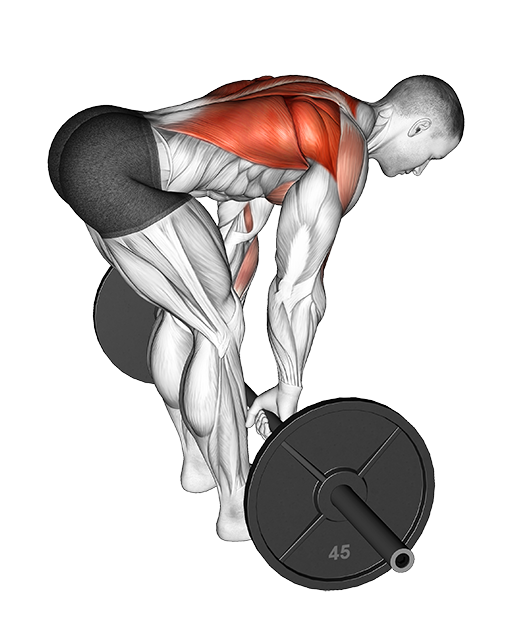
Bent Over Row (Barbell)
Lats
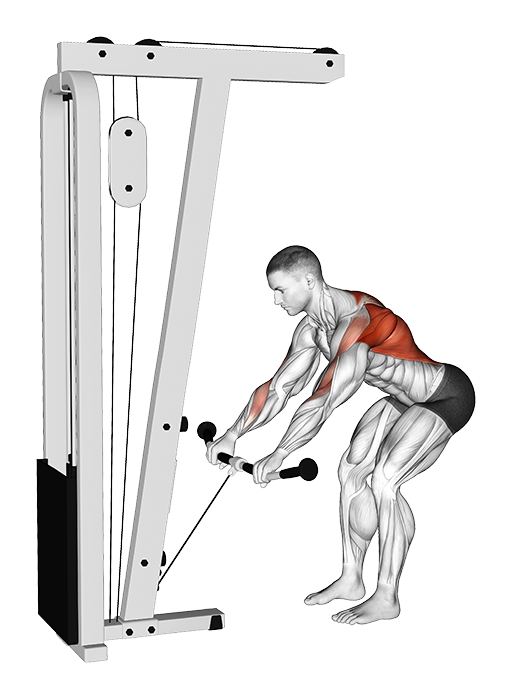
Bent Over Row (Cable)
Lats
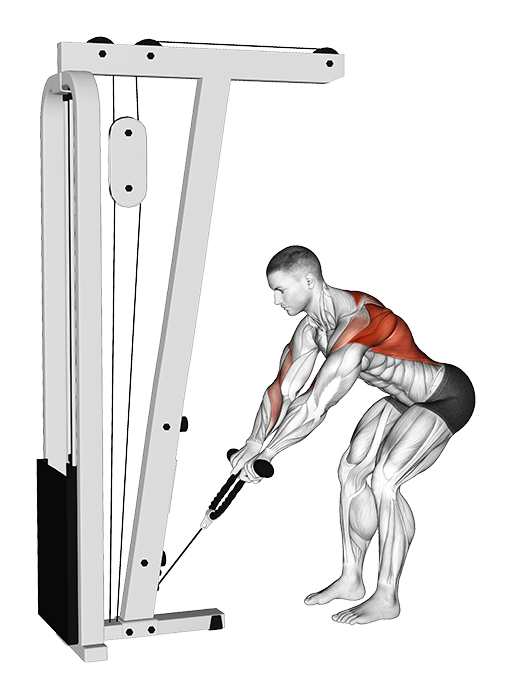
Bent Over Row (Cable: Rope)
Lats
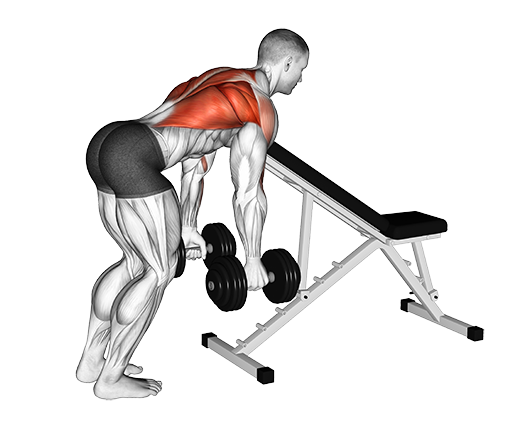
Bent Over Row - Chest Supported (Dumbbell)
Mid Traps
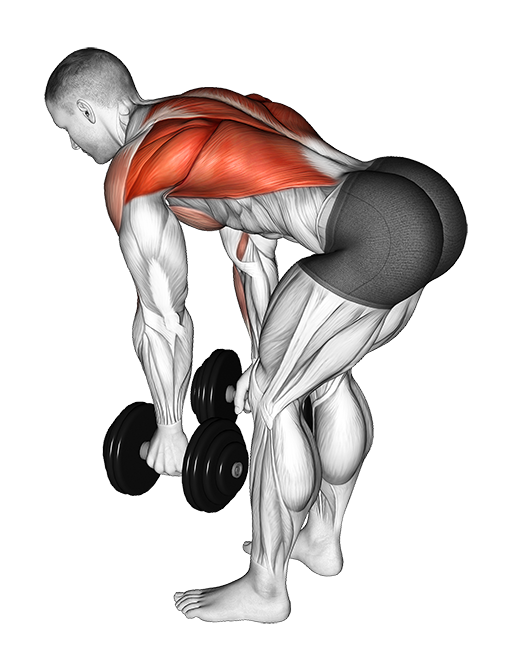
Bent Over Row (Dumbbell)
Lats
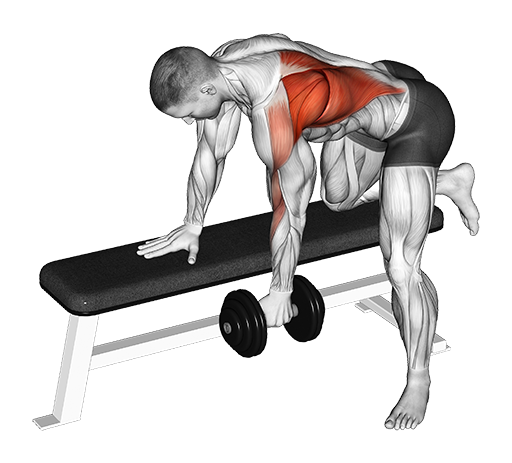
Bent Over Row - One Arm (Dumbbell)
Lats
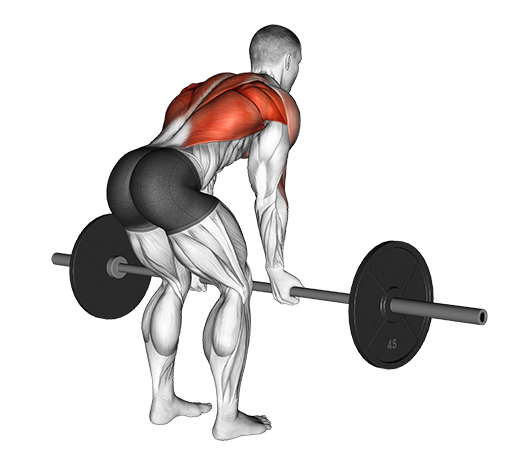
Bent Over Row - Reverse Grip (Barbell)
Lats
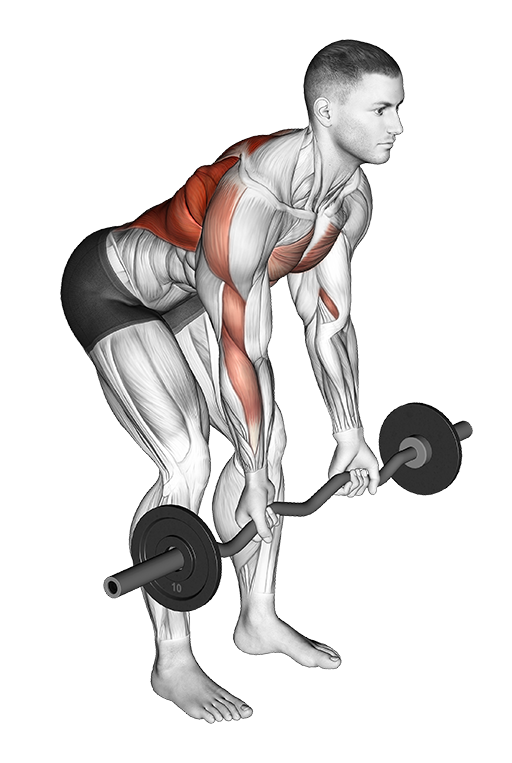
Bent Over Row - Reverse Grip (EZ Bar)
Lats
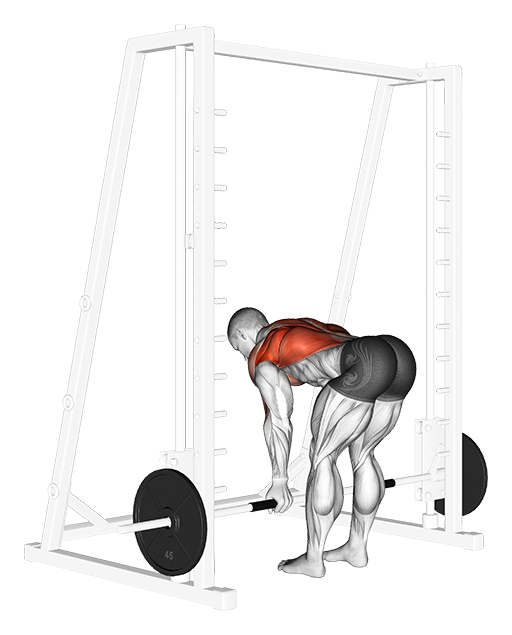
Bent Over Row - Reverse Grip (Smith)
Lats
_Back_medium_1.png&w=3840&q=75)
Bent Over Row - Single Arm (Dumbbell)
Lats
_Back-FIX_medium_1.png&w=3840&q=75)
Bent Over Row (Smith)
Lats
_Back_medium_1.png&w=3840&q=75)
Bent Over Row - (Trap Bar)
Lats
_Back_medium_1.png&w=3840&q=75)
Bent Over Row - Wide Grip (Band)
LatsUpper Back / Rhomboids
-(VERSION-2)_Back_medium_1.png&w=3840&q=75)
High Row (Machine: Plate Loaded)
Upper Back / Rhomboids
_Back_medium_1.png&w=3840&q=75)
High Row - Iso-Lateral, Reverse Grip
Lats
_Back_medium_1.png&w=3840&q=75)
High Row - Seated (Cable: V-Bar)
Lats
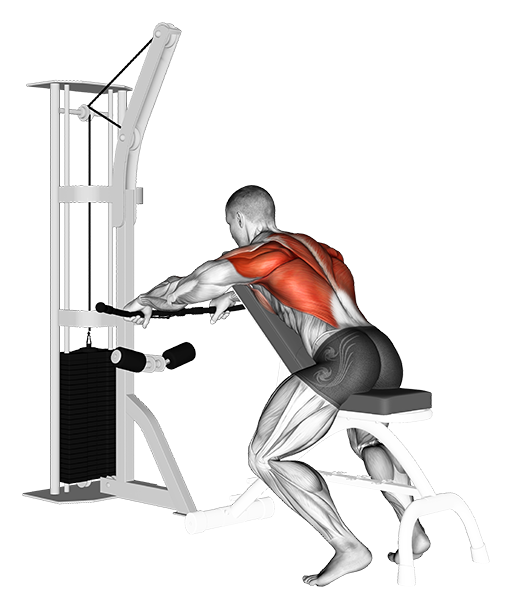
Incline Bench Row (Cable)
Lats
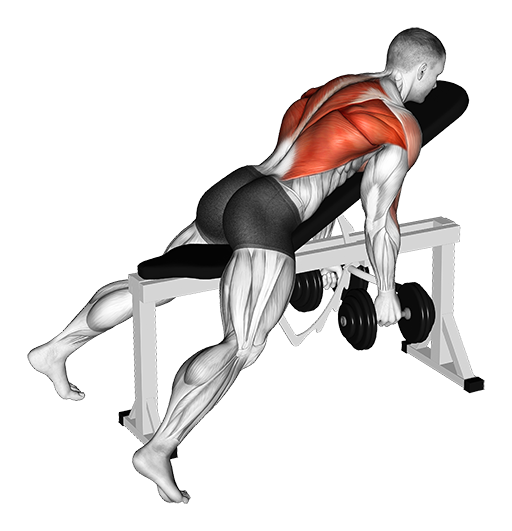
Incline Bench Row - Hammer Grip (Dumbbell)
Lats
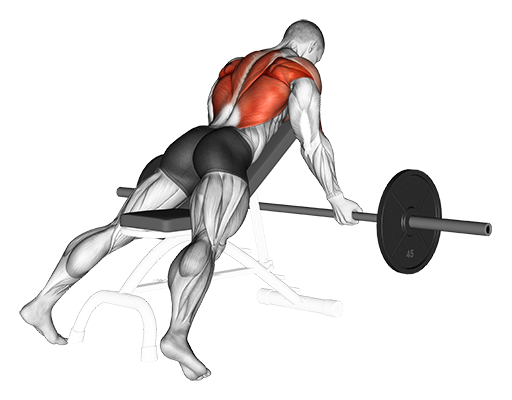
Incline Bench Row - Reverse Grip (Barbell)
Lats
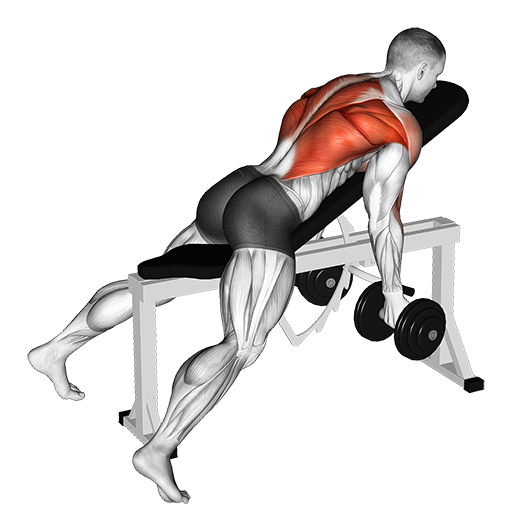
Incline Bench Row - Reverse Grip (Dumbbell)
Lats
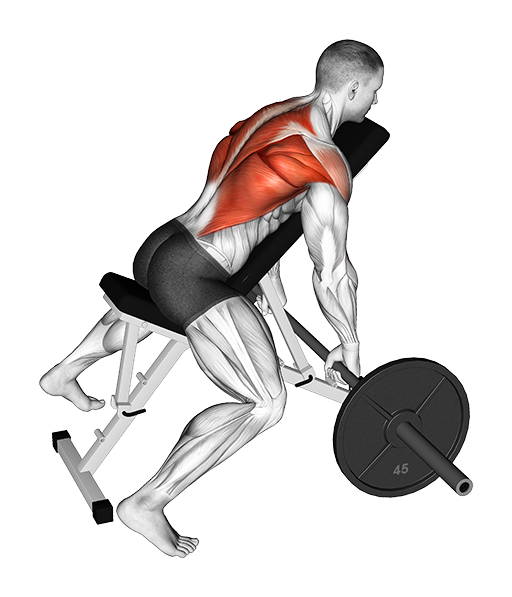
Incline Row (Barbell)
Lats
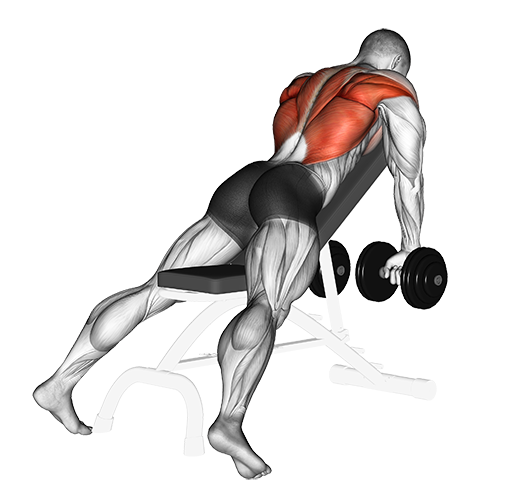
Incline Row (Dumbbell)
Lats

Incline Shrug (Dumbbell)
Lower Traps
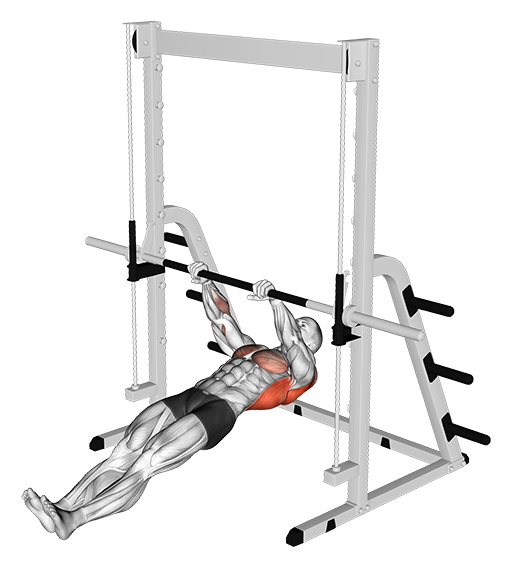
Inverted Row
Lats
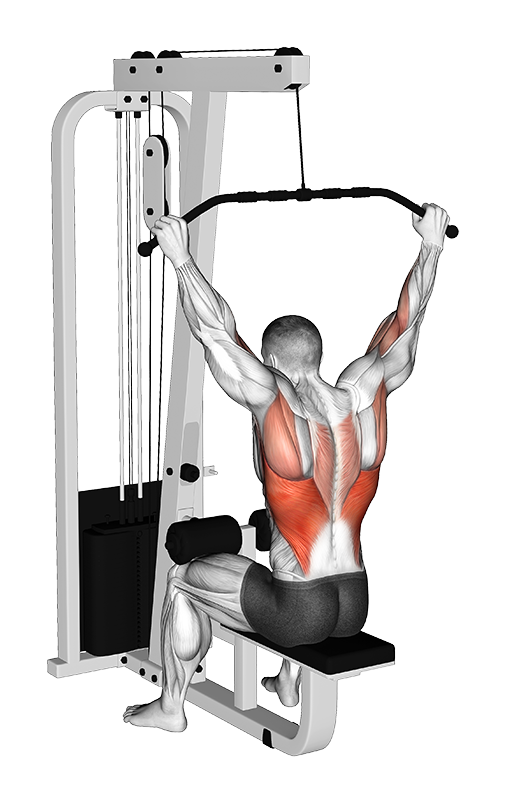
Lat Pulldown - Behind Neck, Wide Grip (Cable)
Lats
_Back_medium_1.png&w=3840&q=75)
Lat Pulldown - One Arm, Wide (Machine: Plate Loaded)
Lats
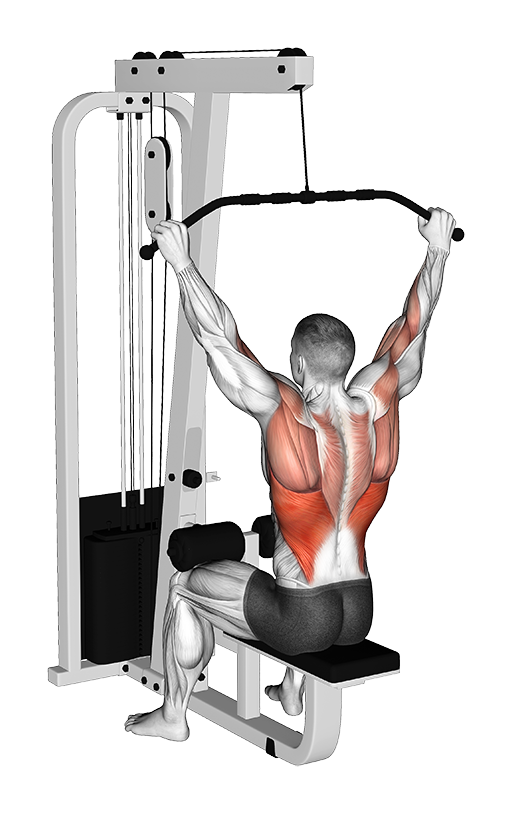
Lat Pulldown - Wide Grip (Cable)
Lats
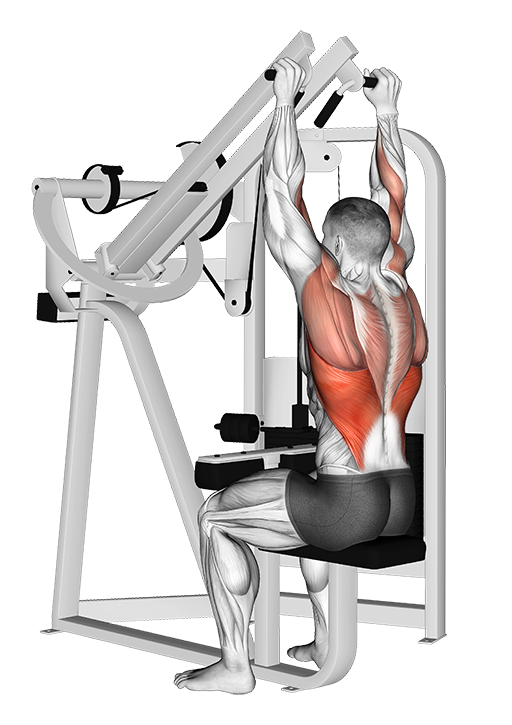
Lat Pulldown - Wide (Machine)
Lats
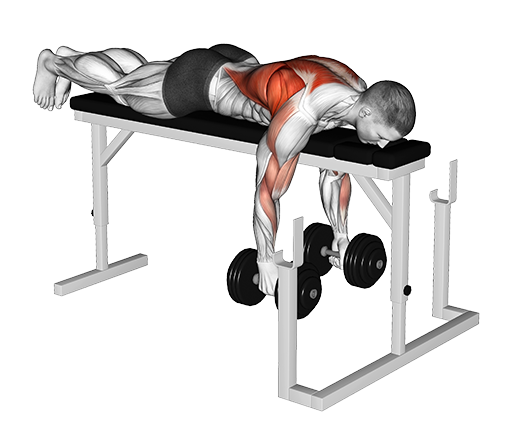
Parallel Row On Rack - Lying, Close-Grip (Dumbbell)
Lats
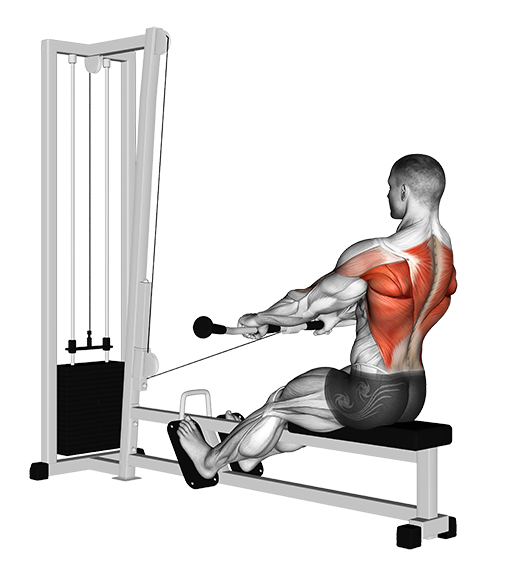
Row - Low, Seated (Cable)
Lats
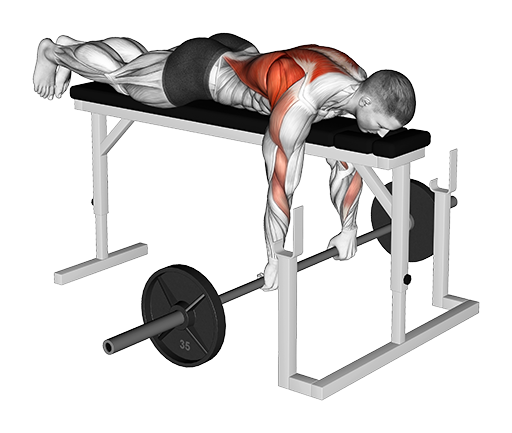
Row - Lying (Barbell)
Lats
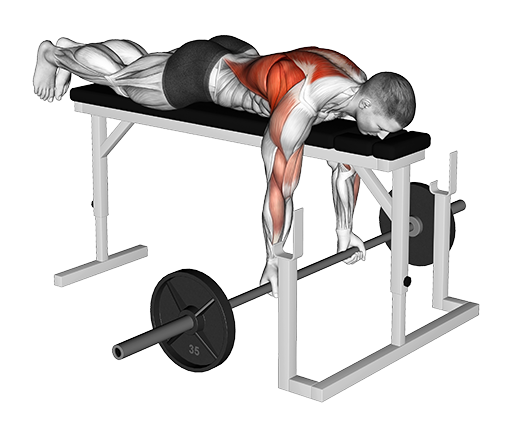
Row - Lying, Reverse (Barbell)
Lats
_Back_medium_1.png&w=3840&q=75)
Row (Machine: Plate Loaded)
Lats
_Back-FIX_medium_1.png&w=3840&q=75)
Row - Iso-Lateral, Neutral Grip, Seated
Lats

Row On Rack - Lying, Wide-Grip (Dumbbell)
Upper Back / Rhomboids
_Back_medium_1.png&w=3840&q=75)
Row - Reverse Grip, Seated (Machine: Plate Loaded)
Lats
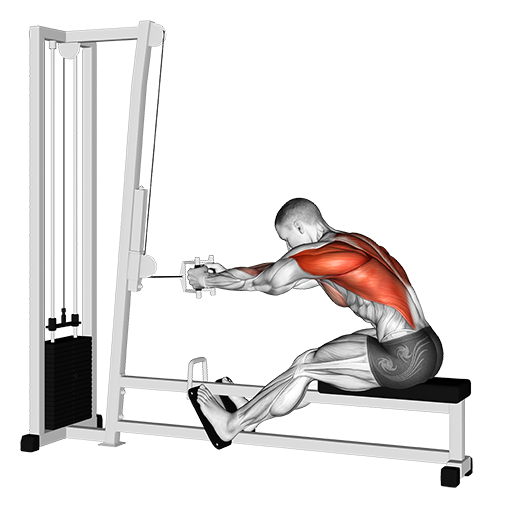
Row - Seated (Cable)
Lats
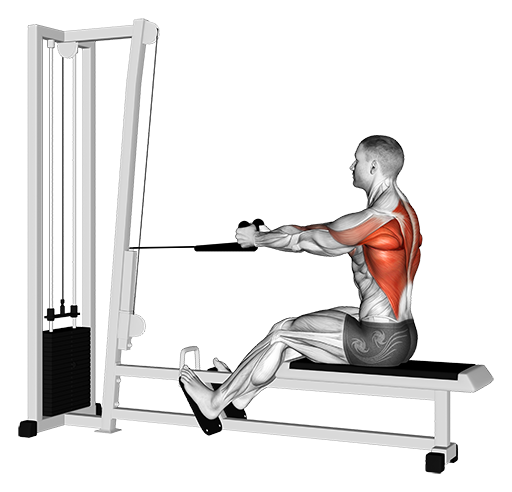
Row - Seated (Cable: Rope)
Upper Back / Rhomboids
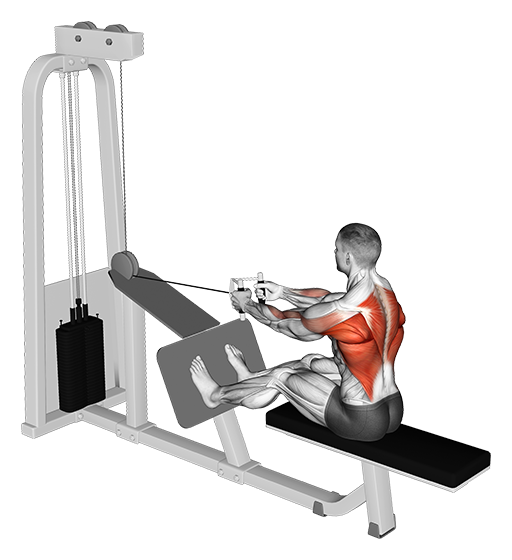
Row - Seated (Cable: V Bar)
Lats
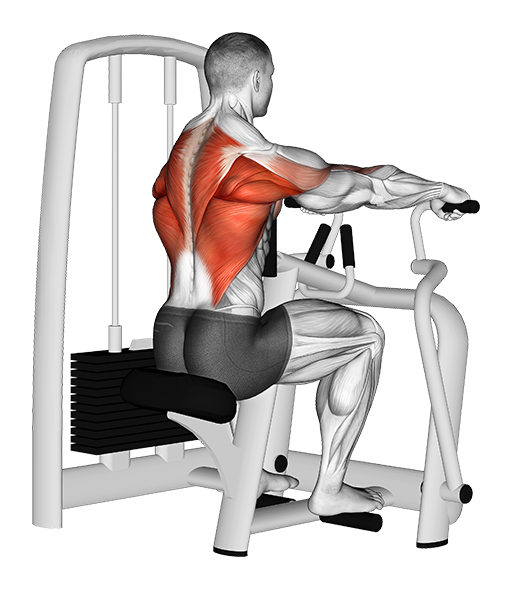
Row - Seated (Machine)
Lats
_Back_medium_1.png&w=3840&q=75)
Row - Seated (Machine: Plate Loaded)
Lats
_Back_medium_1.png&w=3840&q=75)
Shrug - Seated (Machine: Plate Loaded)
Upper Traps

Superman W
Lower Back
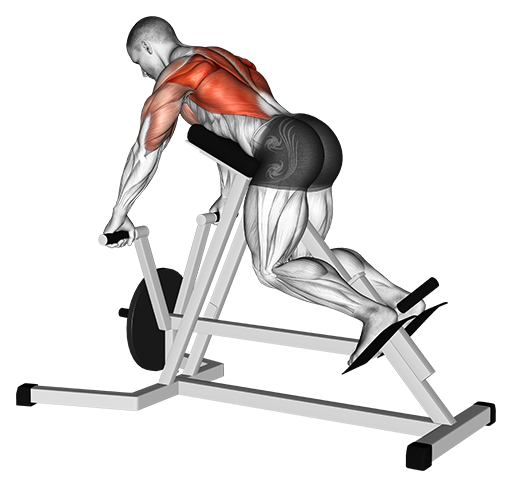
T-Bar Row - Chest Supported
Lats
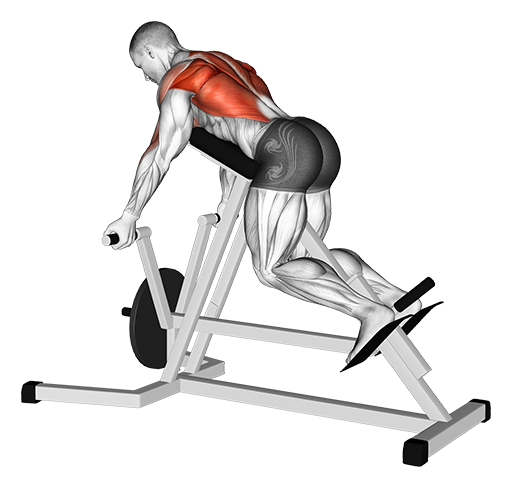
T-Bar Row - Reverse
Lats
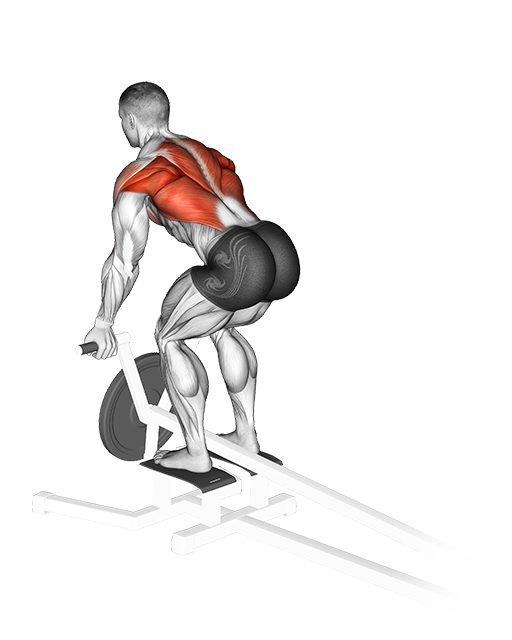
T-Bar Row - Reverse Grip (Machine)
Lats
_Back_medium_1.png&w=3840&q=75)
T-Bar Row - Wide Grip
Upper Back / Rhomboids